The dream of wearing the uniform or serving as a Class II/III officer in the Maharashtra Government is a journey of grit, strategy, and mental resilience. For many MPSC aspirants, the vastness of the Combined (Non-Gazetted) syllabus can feel like navigating a labyrinth without a map. However, as Deepika Mahale (Industry Inspector)—who transitioned from a career in Chemistry to civil services for a stable future—shares in her success story, the secret isn't just studying hard; it is about clinical, targeted preparation.
In this expert-led guide, we break down the exact roadmap used by successful candidates to clear the MPSC Combined Prelims and Mains, ensuring your 2026 attempt is backed by evidence-based preparation.
The MPSC Combined exam is unique because of its time-pressure. With 100 questions to be solved in just 60 minutes, the Prelims stage is as much a test of your nerves as it is of your knowledge. Successful candidates like Deepika emphasize that your "base" must be so strong that answers click instantly, leaving enough time for the high-scoring Math and Reasoning section.
To align with the official MPSC syllabus and current previous year question (PYQ) trends, follow this subject-wise breakdown:
Indian Polity (15 Marks): * Strategy: Comparative study is key. Always study the Union and State structures side-by-side (e.g., President vs. Governor).
Resources: M. Laxmikanth (the gold standard) and Ranjan Kolambe.
Geography (10 Marks): * Strategy: Focus heavily on Maharashtra Geography. It is factual and high-scoring. Use maps to visualize administrative divisions and river systems.
Resources: A.B. Savadi or Deepstambh Publication.
Economics (15 Marks): * Strategy: Move beyond rote learning. Understand concepts like Public Finance (Sarvajanik Vitta) and Poverty. Link them with current data like HDI ranks and budget highlights.
Resources: Kiran Desale (Part 1).
Math & Reasoning (20 Marks - Prelims | 22 Marks - Mains): * Strategy: This is the ultimate "game-changer." Dedicate at least 2 hours daily to mastering types like LCM, HCF, Time-Distance, and Logic. This consistency is what pushes your score from average to the 15-17 mark range.
Resources: Sachin Dhawale’s workbook.
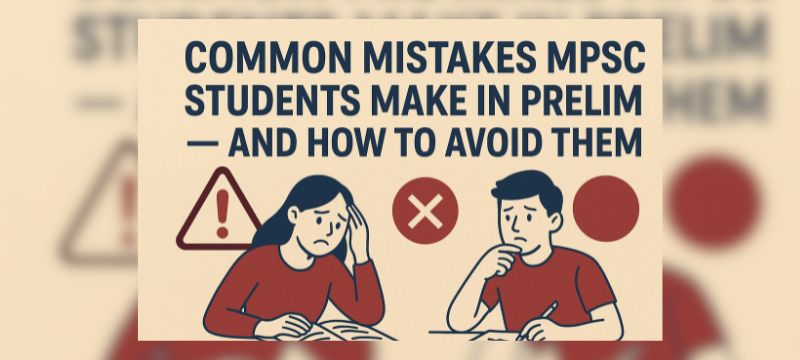
Based on real preparation experiences, many students fall into these traps:
Ignoring PYQs: Studying without looking at past papers is like driving in the dark.
Lack of Revision: Information overload without periodic review leads to confusion during the 1-hour exam window.
The "State Board" Dilemma: While State Boards are essential for conceptual clarity, many spend too much time on them. If you are following a structured coaching or expert notes, use them to cover the Board syllabus efficiently.
Over-reliance on Unreliable Telegram Materials: Stick to standard sources (E-E-A-T principles) rather than fragmented, unverified PDFs.
Once the Prelims hurdle is crossed, the focus shifts to Paper 1 (Languages).
English (50 Marks): Aspirants often fear English. Experts suggest multiple revisions of 'Zero Error' to master grammar patterns.
Marathi (50 Marks): Use Mora Walambe for grammar and Lokseva Publication for PYQ analysis.
Pro Tip: Aim for 40+ in English and 42+ in Marathi. These subjects are the highest yield in the entire Mains process.
The Revision Loop: What you learn in the morning must be reviewed in the evening. Don't let a topic sit for more than 24 hours without a quick glance.
Short Note Mastery: Your 4th or 5th reading should result in one-page summaries. These are your best friends during the final 10 days before the exam.
Timed Mock Tests: Start solving papers in the last month. Don't just check the score; analyze the "why" behind every wrong answer.
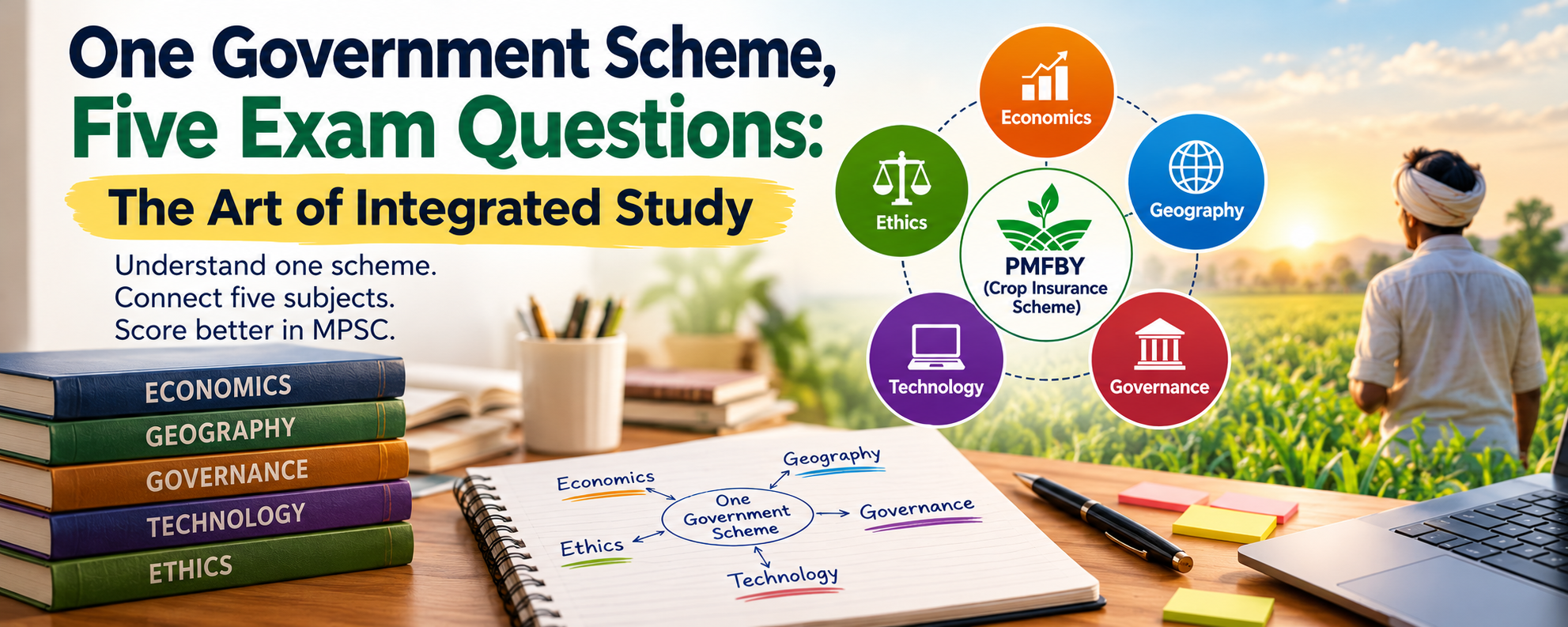
Conceptual Integration: Connect Current Affairs with static subjects. If a new environmental law is passed, revisit the Geography/Polity section on Environment.
Preparation is a marathon, not a sprint. There will be days when your mock scores dip or the syllabus feels overwhelming. In those moments, remember Deepika’s advice: "Set a target in your mind—whether it's 55 for Prelims or 280 for Mains—and work toward that number every single day."
The MPSC Combined exam doesn't demand genius; it demands consistency, smart work, and an unwavering belief in your process. Stay calm, stay informed, and let your preparation do the talking.
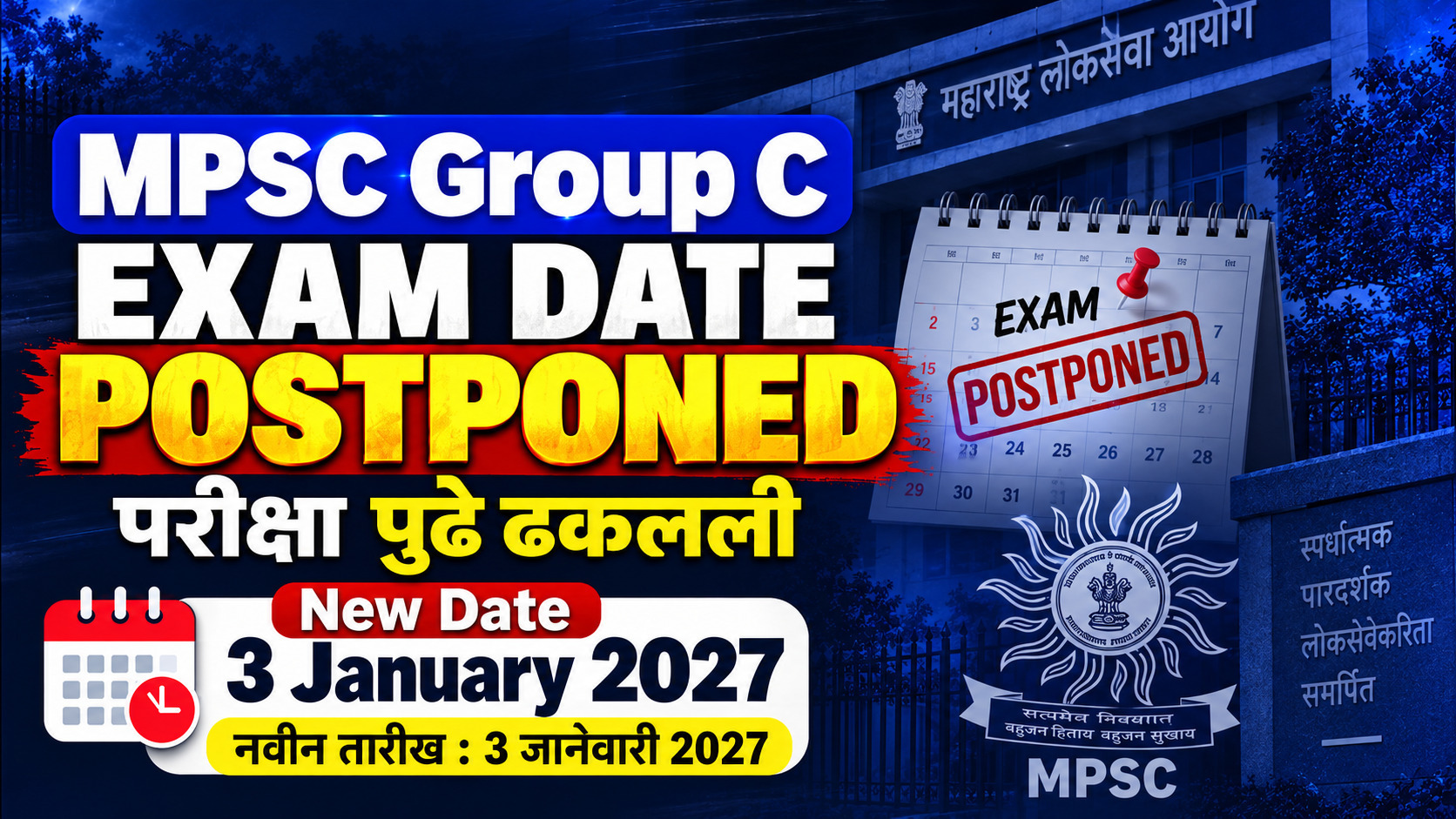
Disclaimer: Exam patterns and dates are subject to change by the Maharashtra Public Service Commission. Always refer to the official mpsc.gov.in website for the latest updates.