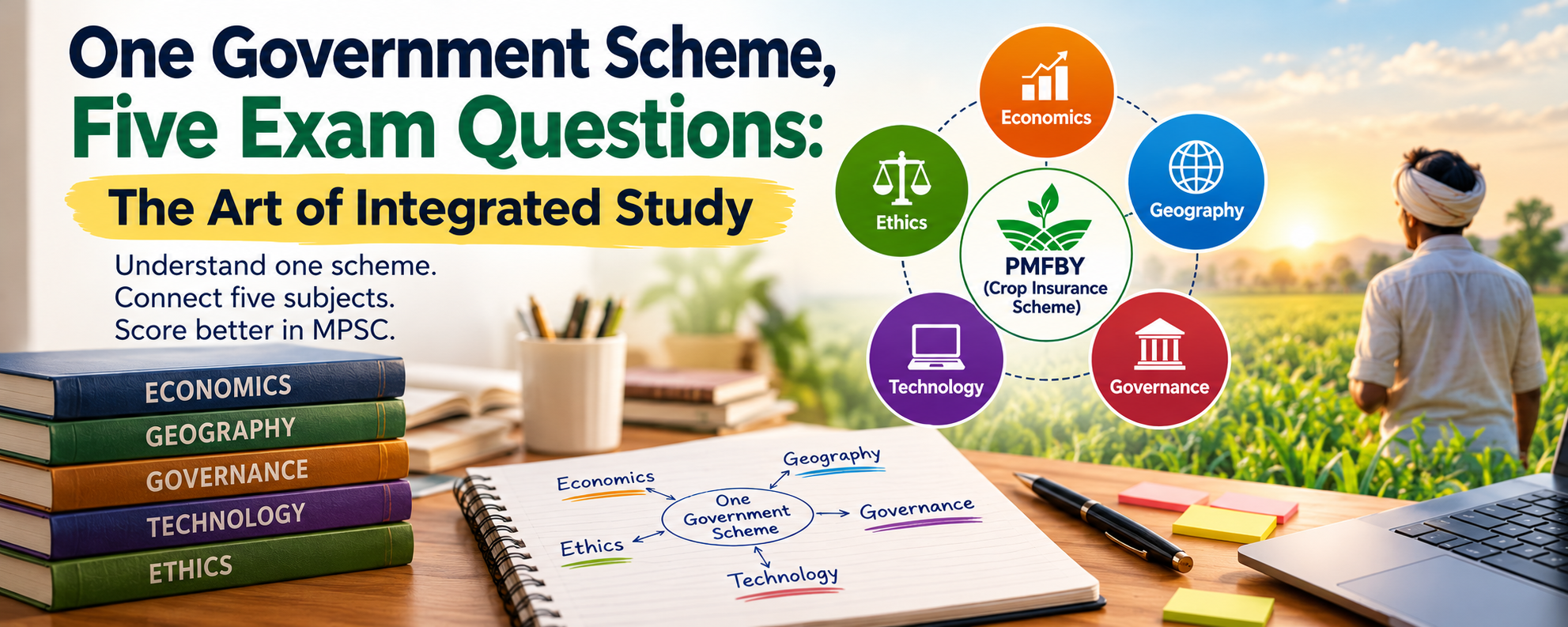
MPSC History Combined Prelims: High-Yield Topics Guaranteed to Secure 8+ Marks
HomeBlogs MPSC History Combined Prelims: High-Yield Topics Guaranteed to Secure 8+ Marks
Dec 16, 2025
MPSC History Combined Prelims: High-Yield Topics Guaranteed to Secure 8+ Marks
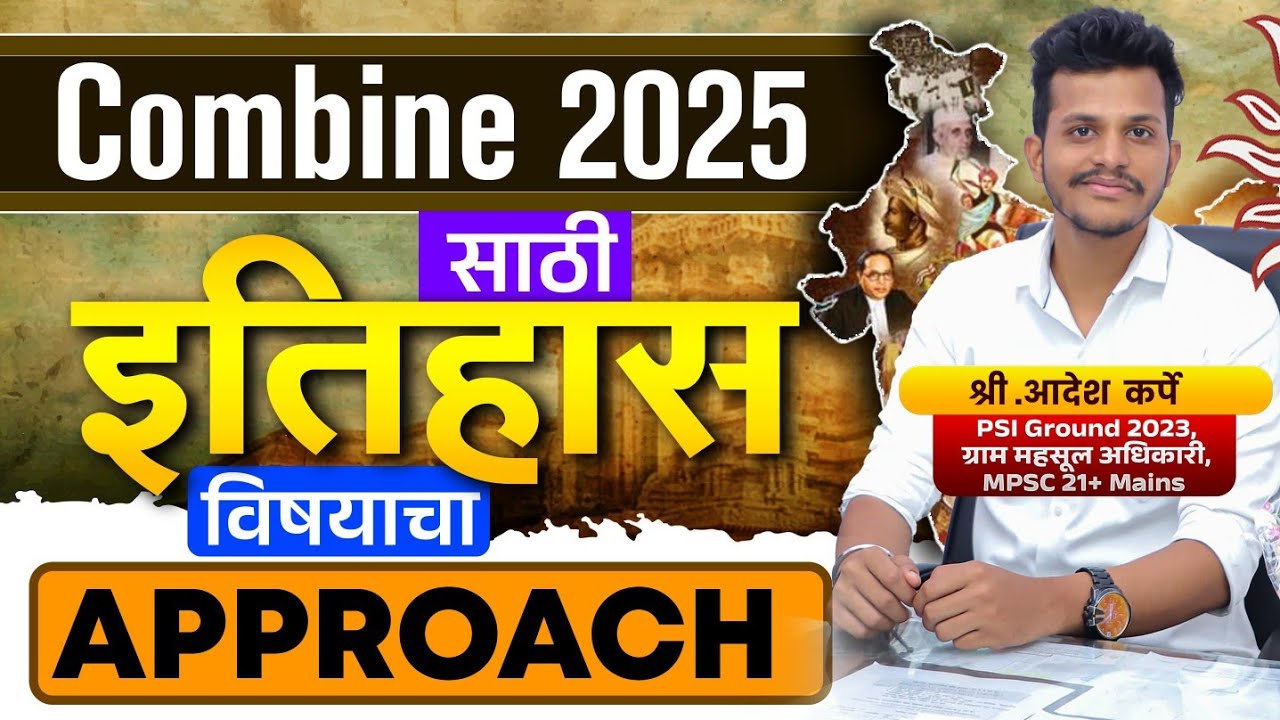
The History section (इतिहास) in the MPSC Combined Prelims is often a source of anxiety. With only 10 questions now deciding its weight, every correct answer is critical for clearing the cutoff. The era of focusing only on social reformers is over; the MPSC History syllabus has shifted, and your preparation strategy must evolve with it. The 10-question history segment now acts as a high-leverage "swing factor," capable of making or breaking your final Prelims score.
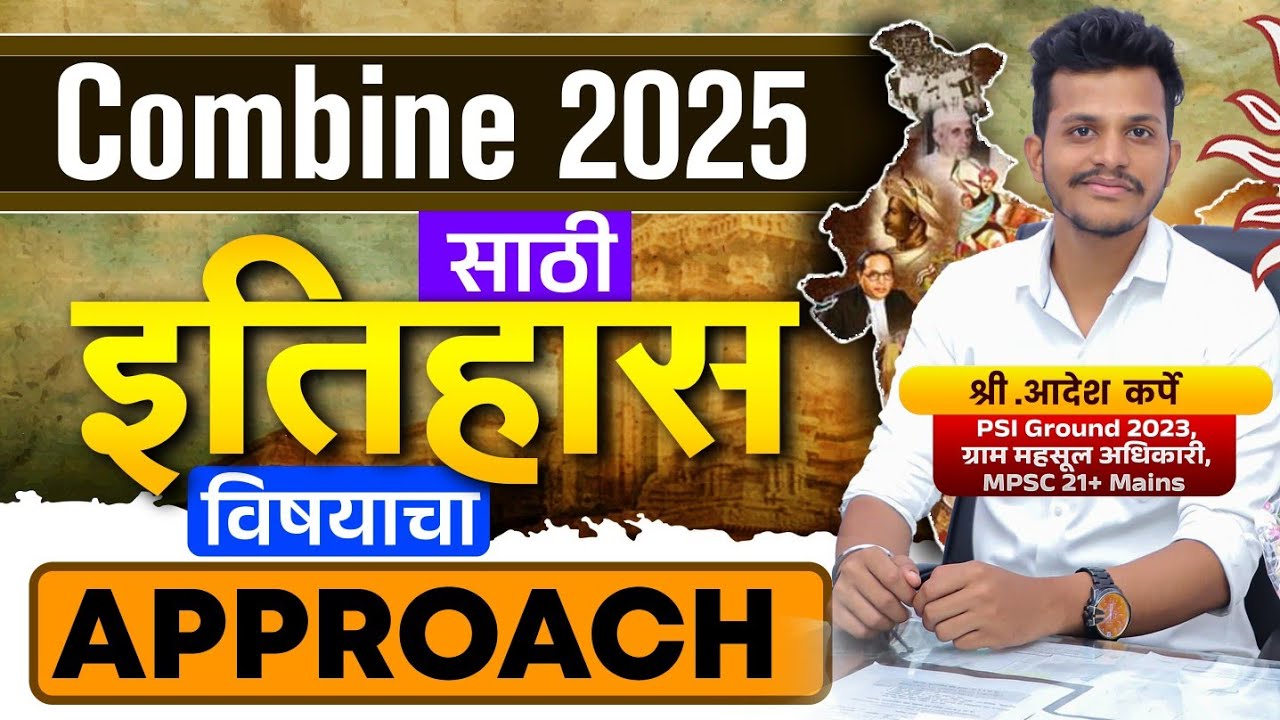
We break down the proven, logic-driven approach recommended by MPSC experts at Karmayogi Career Academy, leveraging their experience in cracking multiple Mains exams and securing coveted posts like Talathi. Our expert, having navigated the MPSC maze multiple times, emphasizes that success is not about endless reading but about targeted PYQ mastery. This comprehensive MPSC Combined History Strategy, built on years of success, is your definitive blueprint for maximizing your score with minimal, focused effort.
Understanding the New MPSC History Trend (Post-2019 Shift)
As per recent Previous Year Question (PYQ) trends from MPSC Group B and C exams, the pattern has subtly but surely changed since 2019. This change reflects MPSC's attempt to move beyond simple memorization towards assessing analytical and contextual understanding. Your MPSC revision strategy must align with these three high-yield areas:
Old Focus (Reduced)
New Focus (Maximum Weightage)
Emerging Swing Topic
Detailed Social Reformers (समाज सुधारक)
1857 Revolt: Causes, Leaders, Impact (Maharashtra and India)
Statements & Opinions: "Who said this?" (Quotes by Governor Generals, social figures, or about movements).
Institutions & Secretaries: Detailed questions on the first or key office bearers of bodies like the Bombay Association or Prarthana Samaj.
If you are an MPSC aspirant, you must pivot your focus from exhaustive memorization to targeted trend analysis, as questions are now fewer but more decisive. This shift is particularly evident in the rise of 'Statements and Opinions' questions, where the correct answer depends on knowing the historical context of the speaker (e.g., Lord Canning or Hugh Rose) rather than just memorizing a quote from a book.
The Core of the Strategy: Command over PYQs and Logic
The expert advice is clear: success in the MPSC History Approach relies less on reading new books and more on commanding the old material and applying logic.
1. The Right Book Strategy (MPSC Study Plan)
The Lokseva 21,000 series, or a similar dedicated PYQ compilation, is not just a question bank—it is your primary History textbook.
Experienced Aspirants: Do not pick up a new reference book. Stick to the one you’ve already read (like Chormole, Logic Booster, or Seva Publication). Your primary focus must be a meticulous History PYQ Analysis from a comprehensive book like the Lokseva 21,000 series. The key here is 'Option Tracing': If the question asks about A, do you know why options B, C, and D are wrong? Often, one of the wrong options becomes the correct answer in the next year's paper.
New Aspirants: Prioritise completing one core reference book first. If time is severely limited, leverage compiled, reliable MPSC Preparation notes that integrate both reference books and PYQs. Focus on achieving 80% coverage rather than attempting 100% mastery, which is impossible in the limited time.
2. The Power of Contextual Logic
Since one or two questions are designed to be "out-of-the-box," you must use contextual logic to narrow down the options.
The Governor-General Principle (Chronology is King): When a quote relates to the 1857 Revolt (e.g., the success of the uprising if the Scindias had participated), the person most likely to have made that remark is the Governor-General or Viceroy at that time (e.g., Lord Canning). To effectively apply this, you must know the rough tenure of the four main figures in the options (e.g., eliminating Lord Minto or Lord Elgin instantly if the event is 1857). Use the timeline to eliminate the others (like Mountbatten or later Viceroys) whose tenures fall outside the 1857-1862 period.
The Social Reform Context (Thematic Focus): When faced with a statement about Sati Pratha, you can logically eliminate reformers whose work primarily focused on different timelines or issues (like Widow Remarriage or Education) to narrow the choice between the key figures involved (like Raja Ram Mohan Roy or Lord Bentinck). Another application is distinguishing between the work of Jyotiba Phule and Dr. B. R. Ambedkar; while both fought for social justice, their core methods, political tools, and primary focus groups (early education vs. political rights/reservations) were distinct. The language of the quote must match the historical tool used by the reformer.
The 'Leader of One' Principle (For 1857): The video expert highlights that for specific local revolts (like the 27th Regiment in Kolhapur), the leader is usually a singular figure. In questions asking "under whose leadership," look for the option that represents a single, local military or political commander, eliminating vague collective options. This taps into the psychological aspect of command and control in a mutiny.
Evidence-Based High-Yield Topics: The Non-Negotiable 8 Marks!
Based on the 2023 and 2024 paper analysis, these topics are non-negotiable for securing 8 out of 10 marks:
1857 Revolt: Beyond the Big Names Thoroughly study the leadership in different parts of Maharashtra and India. This is a repeated question pattern. Crucially, don't just focus on the Delhi-Kanpur axis. MPSC often tests on the regional revolts in Maharashtra (e.g., Bhill uprisings, Konkan/Sawantwadi revolts). Ensure you cover the political and economic causes (e.g., Doctrine of Lapse, Permanent Settlement) that led to the peasant and princely participation, as these are often multi-statement questions.
Labor Movements: The Industrial Context Key contributions of leaders like Narayan Meghaji Lokhande and the history of institutions like the Kamgar Hitwardhak Sabha. Understand the industrial context: these movements arose primarily in Bombay and Calcutta due to early factory conditions. Memorise the key demands, the role of journals/newspapers (e.g., Din Bandhu), and the names of the founders, as questions often revolve around these periodicals.
Institutional Office Bearers: Founder vs. Functionary Memorise the first Secretary, President, and Vice-President of Prarthana Samaj and Satyashodhak Samaj. These roles are high-yield as the MPSC often asks to distinguish between the founder and the first office-bearers. For example, while Atmaram Pandurang founded the Prarthana Samaj, the driving force and subsequent secretaries (like R.G. Bhandarkar or M.G. Ranade) are frequently questioned. Similarly, know the first President/Secretary of Satyashodhak Samaj to differentiate them from Mahatma Phule himself.
Economic Policies: The Land Revenue Trap A simple question on the British economic policies is often included and serves as an "easy mark" opportunity. The most detailed focus must be on the three major Land Revenue Systems: Permanent Settlement (features and area), Ryotwari System (direct relationship with the cultivator), and Mahalwari System. MPSC will often mix up the features or ask for the Governor-General who initiated them (e.g., Cornwallis for Permanent Settlement).
Advanced Strategy: Active Recall and Retention
To handle the detailed nature of these questions, move beyond passive reading:
Social Reformers: Name, Institution, Year, Key Work, First Office Bearers.
Land Systems: System Name, Year, Area Implemented, Governor-General.
1857 Leaders: Place, Leader, British Officer who suppressed the revolt.
The Centennial/Bicentennial Hook: MPSC, like all commissions, tends to set questions around events or personalities celebrating a centenary (100 years) or bicentenary (200 years) in the current or preceding year. Be aware of any major Congress session (like Kanpur in 1925, which recently hit a centennial mark) or the birth/death anniversary of a major national leader.
Common Student Challenges & The '5-Minute' Solution
Challenge:I spend too much time on a difficult question, impacting my Maths & Reasoning.
The MPSC Strategy here is crucial: you must aim to solve the 10 History questions in the first 5 minutes of the Prelims paper.
Strategy Tip: Glance at a question. If you know the answer immediately based on your MPSC Revision Notes or PYQs, mark it. This includes all the "easy mark" questions on Economic Policies or basic Congress facts.
The Skip Rule: If a question is entirely new or out of your source material (like the Raghuji Raje Bhosale example from the 2024 paper), flag it and skip it immediately. Do not allow the difficulty of one question to introduce negativity or doubt into your mind. Come back to these 'out-of-the-box' questions only after you have maximized scores in Reasoning, Maths, and other GS subjects. The expert suggests you should always attempt the out-of-the-box question last, using any remaining seconds for logical elimination.
This approach ensures you finish the section efficiently, leaving mental space and time for other high-scoring subjects like Reasoning and Quantitative Aptitude.
Conclusion: Informed Preparation Secures the Edge
The MPSC Combined Exam rewards informed preparation over blind study. Your goal is not to get 10/10, but to reliably get 8 or 9 out of 10 by focusing on the predictable, high-yield areas identified in the History Trend Shift. Trust your existing reference material, make your PYQ analysis your new best friend, and apply logical elimination to the tricky quote-based questions.
Stick to this realistic MPSC Study Plan. Your consistent, focused revision is the only competitive edge that matters; take command of the shift, and ensure your name is on that final merit list.